
Understanding the role of barges, tugboats, and towboats.
America's extensive network of waterways is the backbone of the nation's economy, and at the heart of this system are three essential types of vessels: tugboats, towboats, and barges. These vessels play a pivotal role in the nation’s economy, supply chain, and national security. The American Waterways Operators (AWO) recognizes the pivotal role these vessels play in supporting the nation's maritime infrastructure and economic well-being.
The Unsung Heroes of America’s Waterways
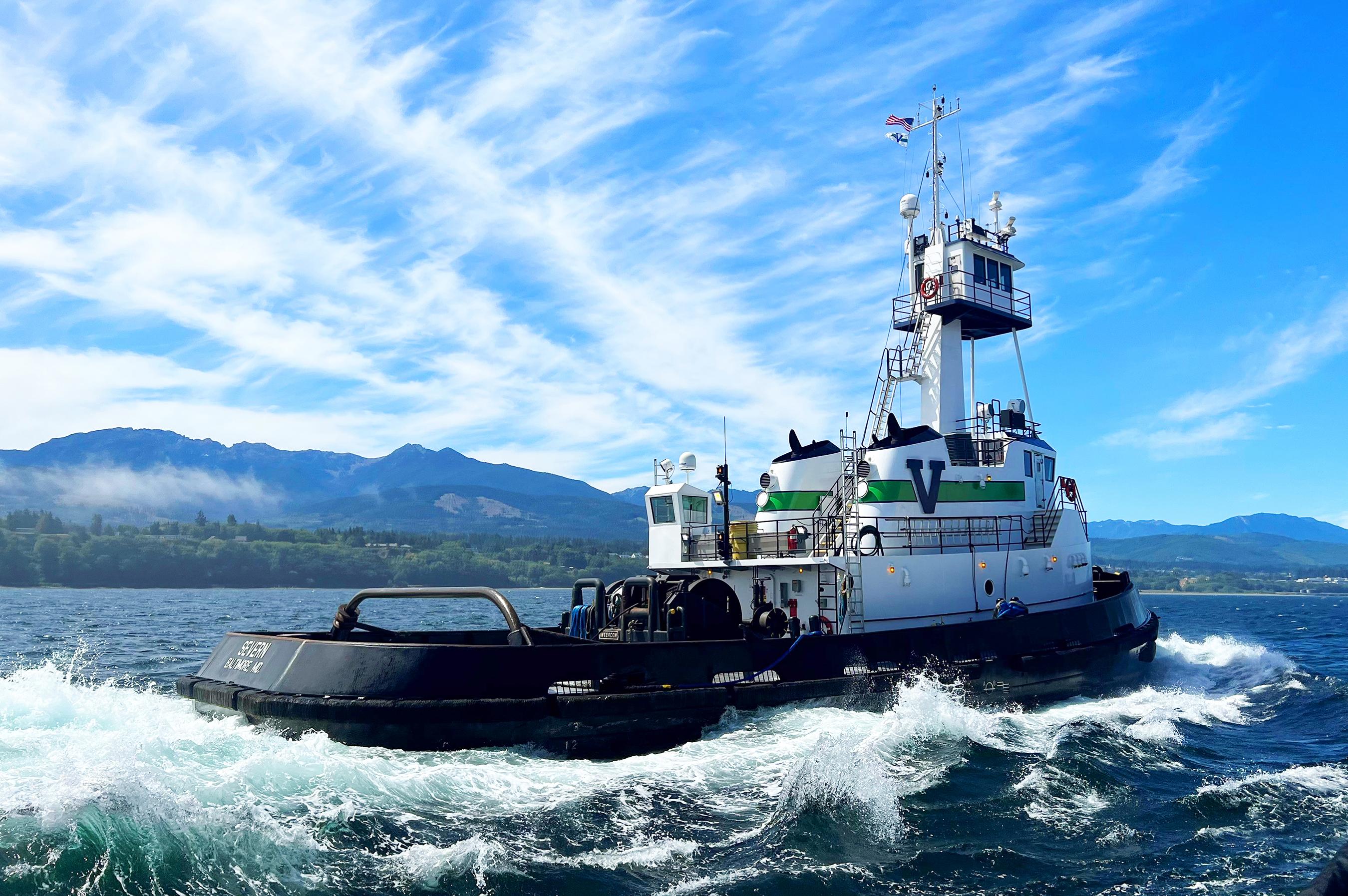
A tugboat, or "tug," is a small but powerful vessel designed to assist in the maneuvering of larger ships. Tugboats are equipped with robust engines capable of generating significant thrust, allowing them to push or pull vessels much larger than themselves. With sturdy hulls and versatile designs, tugboats can operate in a wide range of environments,from bustling harbors to remote inland waterways.
Key Functions of Tugboats:
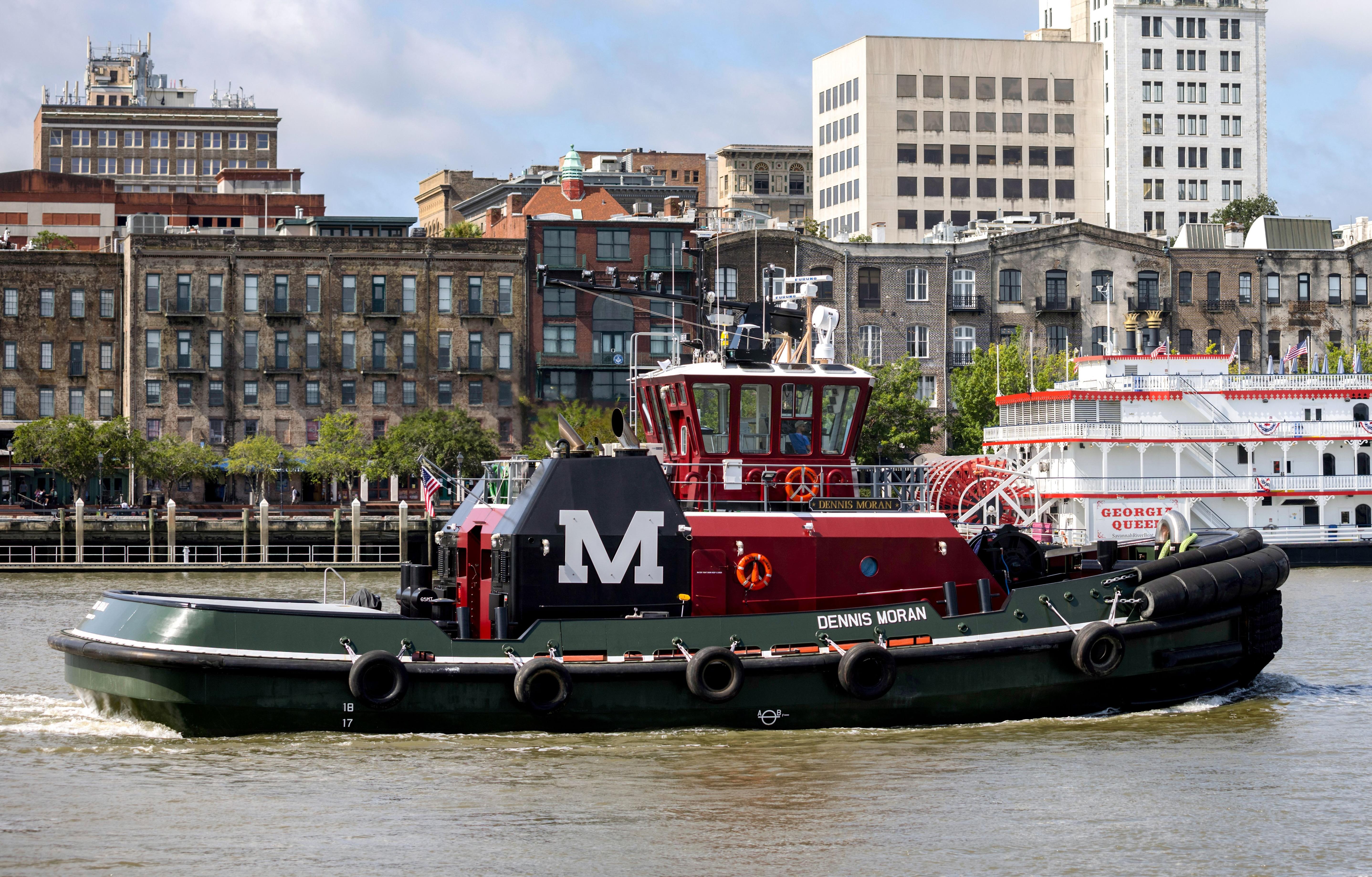
Ship Assistance
Tugboats are essential for docking and undocking large ships, such as container ships, Navy ships, and oil tankers. Their precision allows these massive vessels to safely navigate through narrow channels and congested ports.
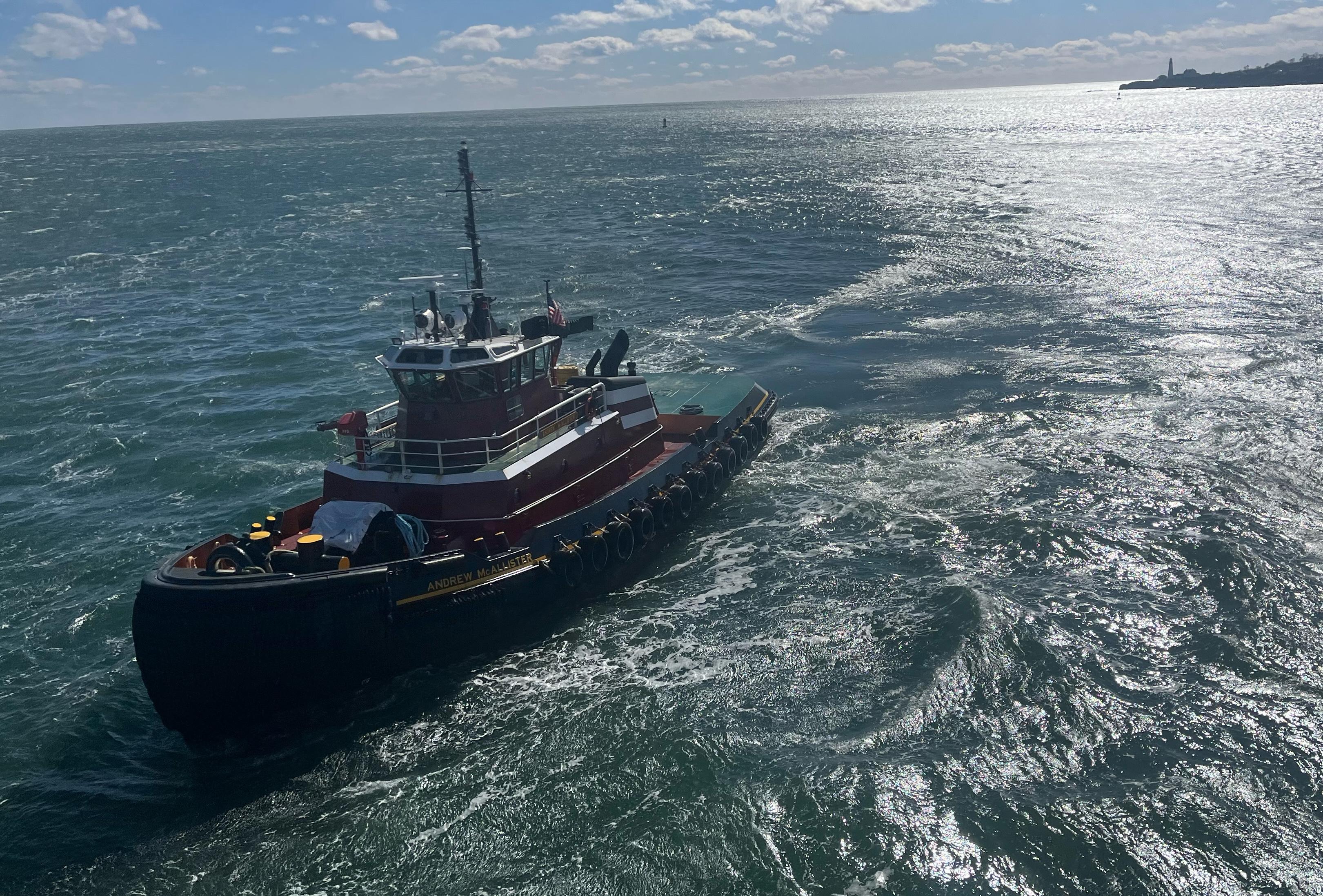
Towage Services
Tugboats tow floating structures, such as barges and platforms. They transport a variety of goods and materials, supporting construction and other maritime operations.
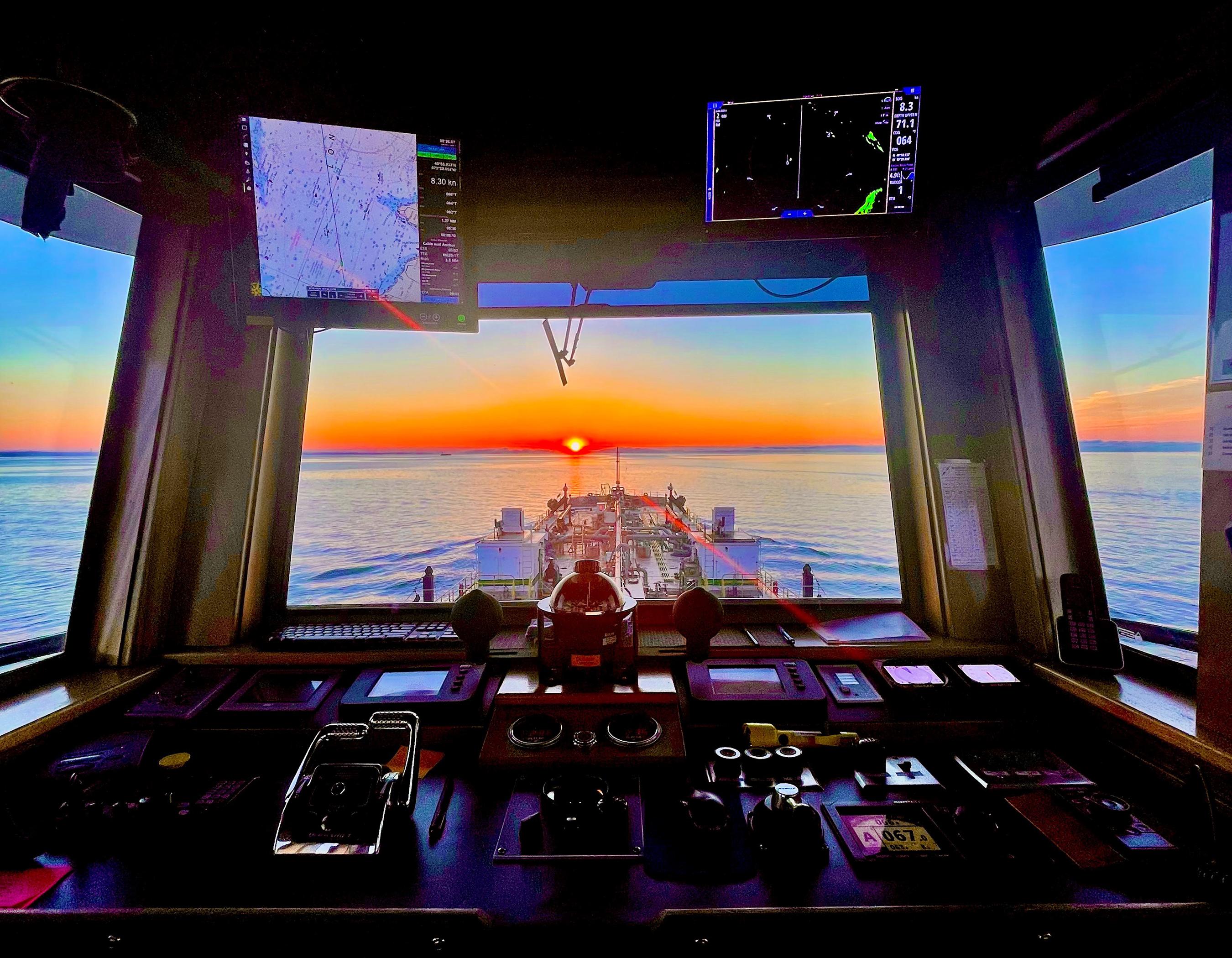
Emergency Response
Tugboats are always on standby to provide emergency aid to ships in distress, assist in salvage operations, and participate in firefighting efforts on the water.
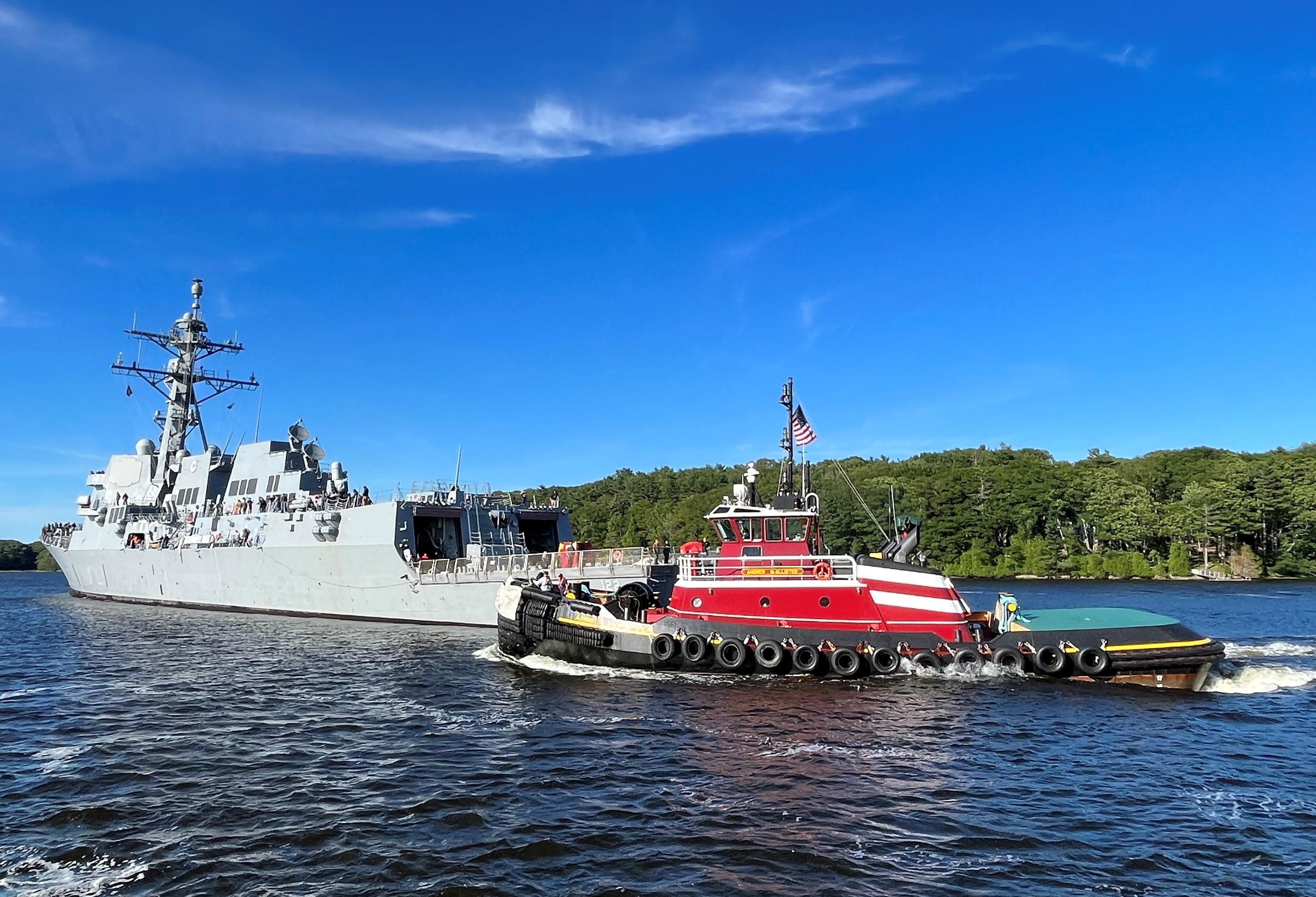
Bunkering
Tugboats provide bunkering services to safely transfer fuel to vessels in port or at anchorage. Their maneuverability and precision help ensure efficient fueling operations while minimizing disruption to maritime traffic.
Environmental Protection
Tugboats play a role in environmental protection, particularly in oil spill response and cleanup operations.
What is a Towboat?
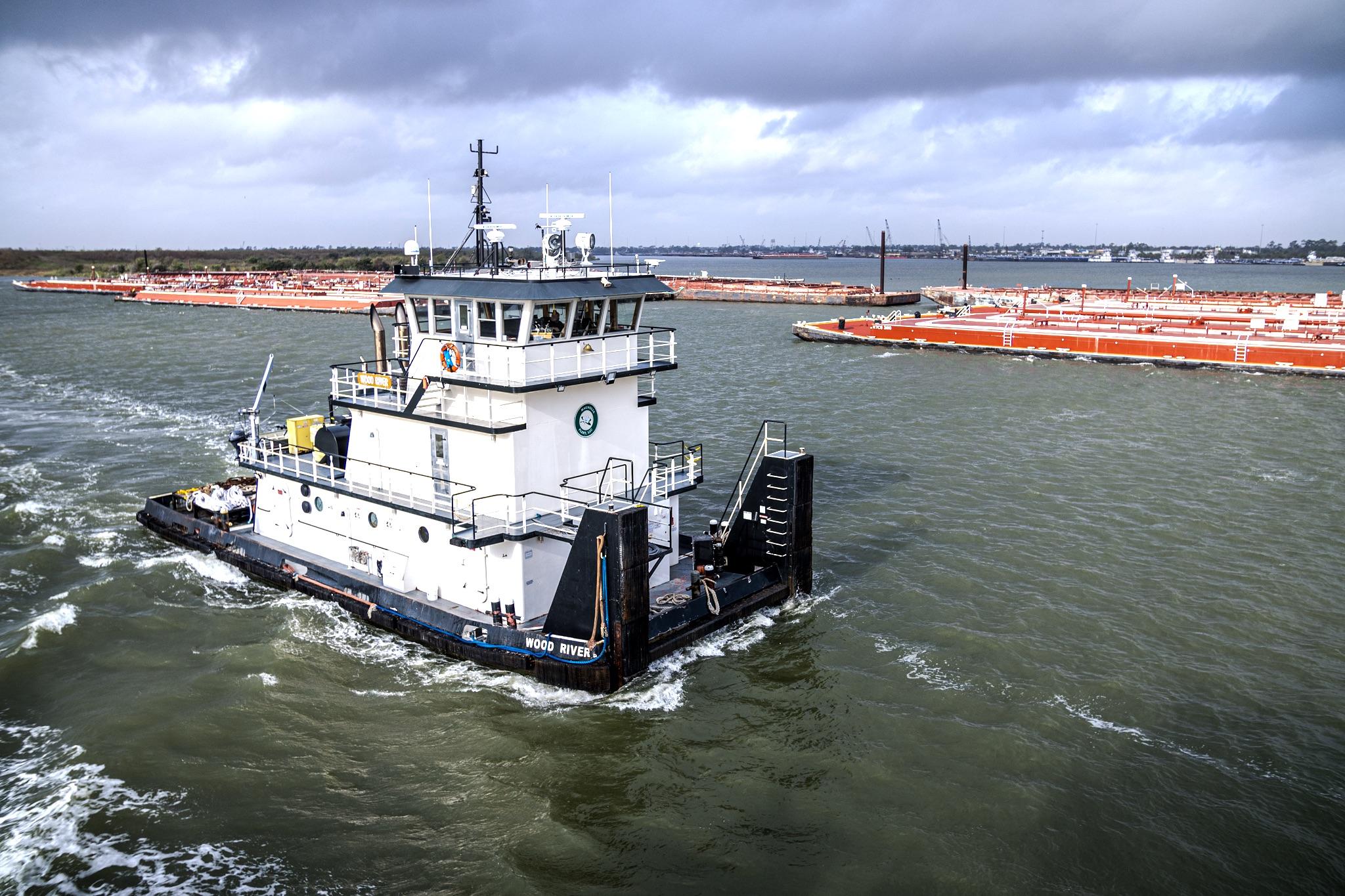
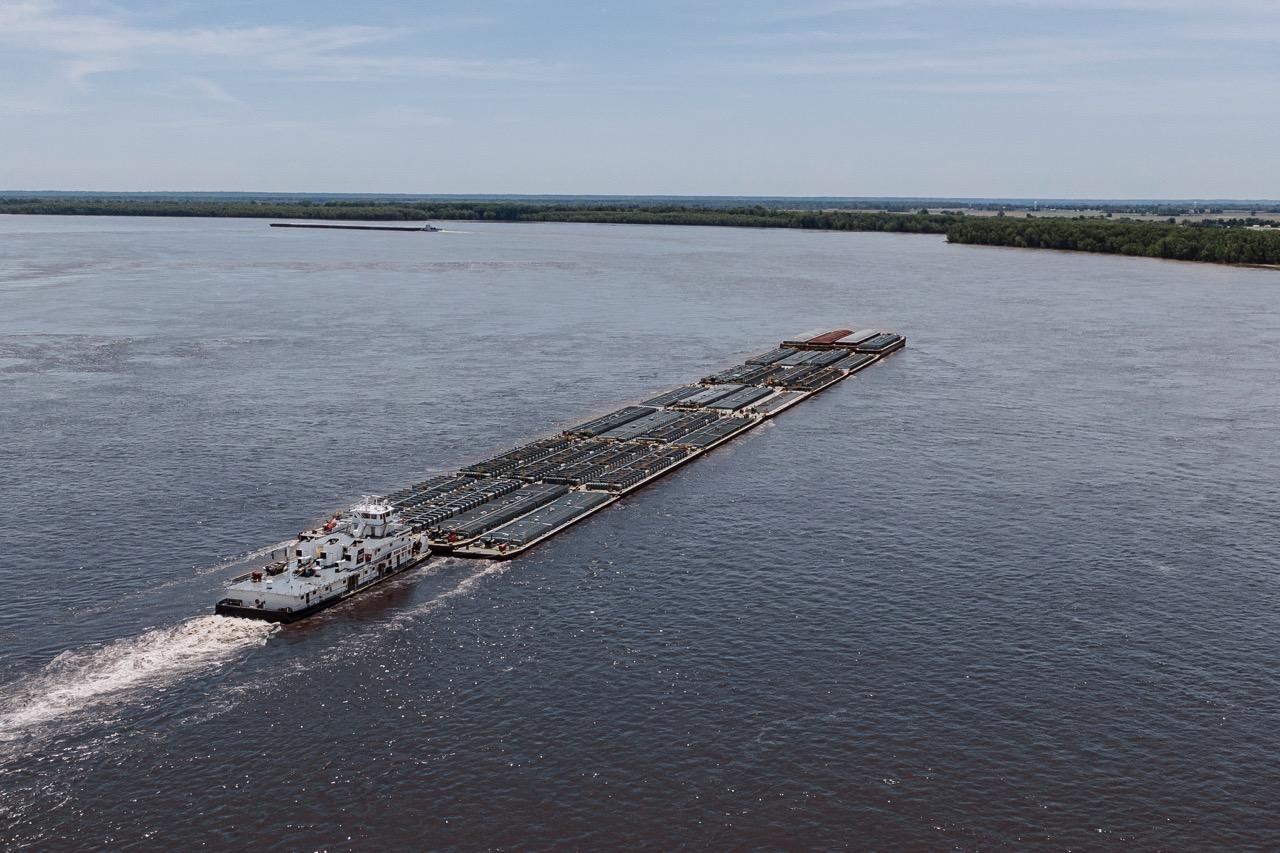
While often confused with tugboats, towboats are distinct vessels specifically designed to push barges rather than pull them. Unlike tugboats, which can operate in a variety of maritime environments, towboats are primarily used in inland waterways, such as rivers and canals.
Key Features and Functions of Towboats:
Flat-Bowed Design
Towboats have a flat bow that allows them to push multiple barges in a "tow." The barges are often lashed together and moved as a single unit, with the towboat pushing from the rear.
Powerful Engines
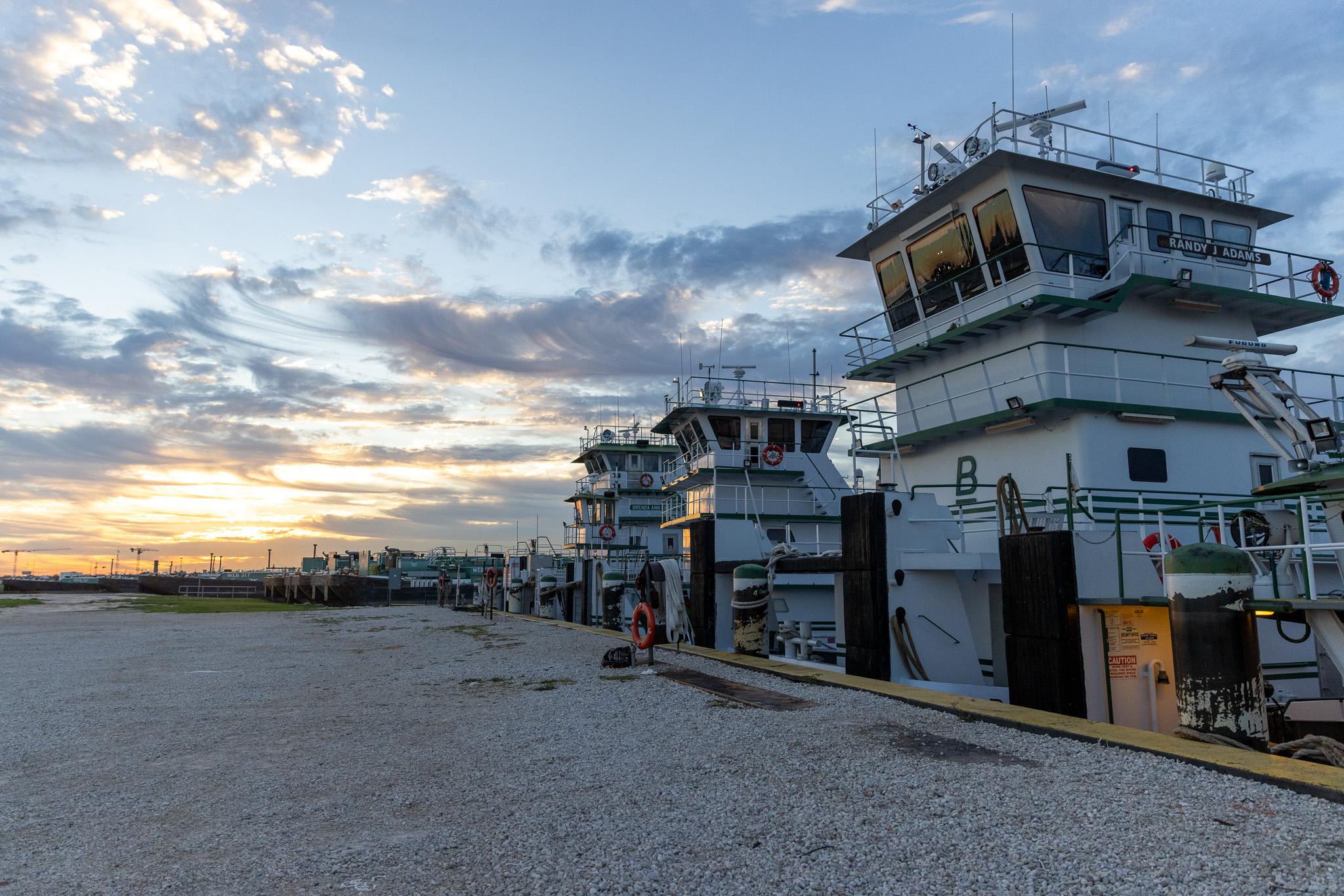
Like tugboats, towboats are equipped with powerful engines, optimized for pushing heavy loads over long distances rather than short, precise maneuvers.
Inland Navigation
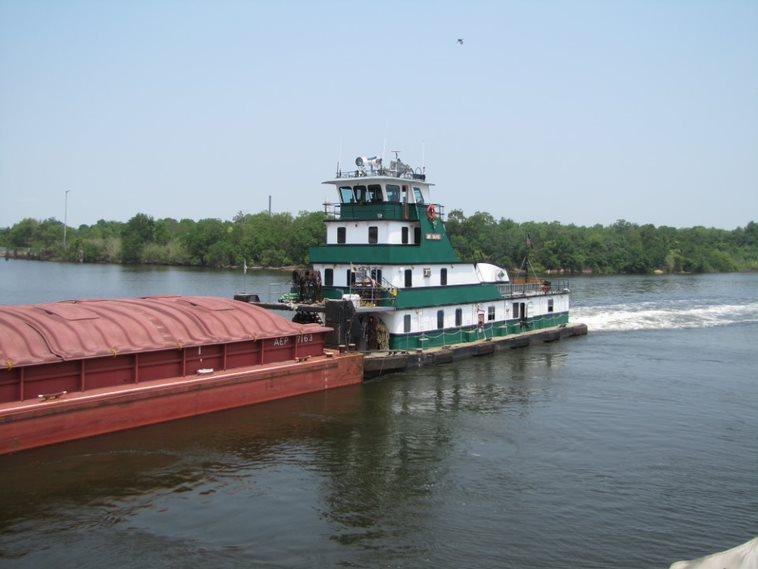
Towboats are the backbone of inland waterway transportation, moving cargo through major river systems such as the Mississippi, Ohio, and Missouri Rivers.
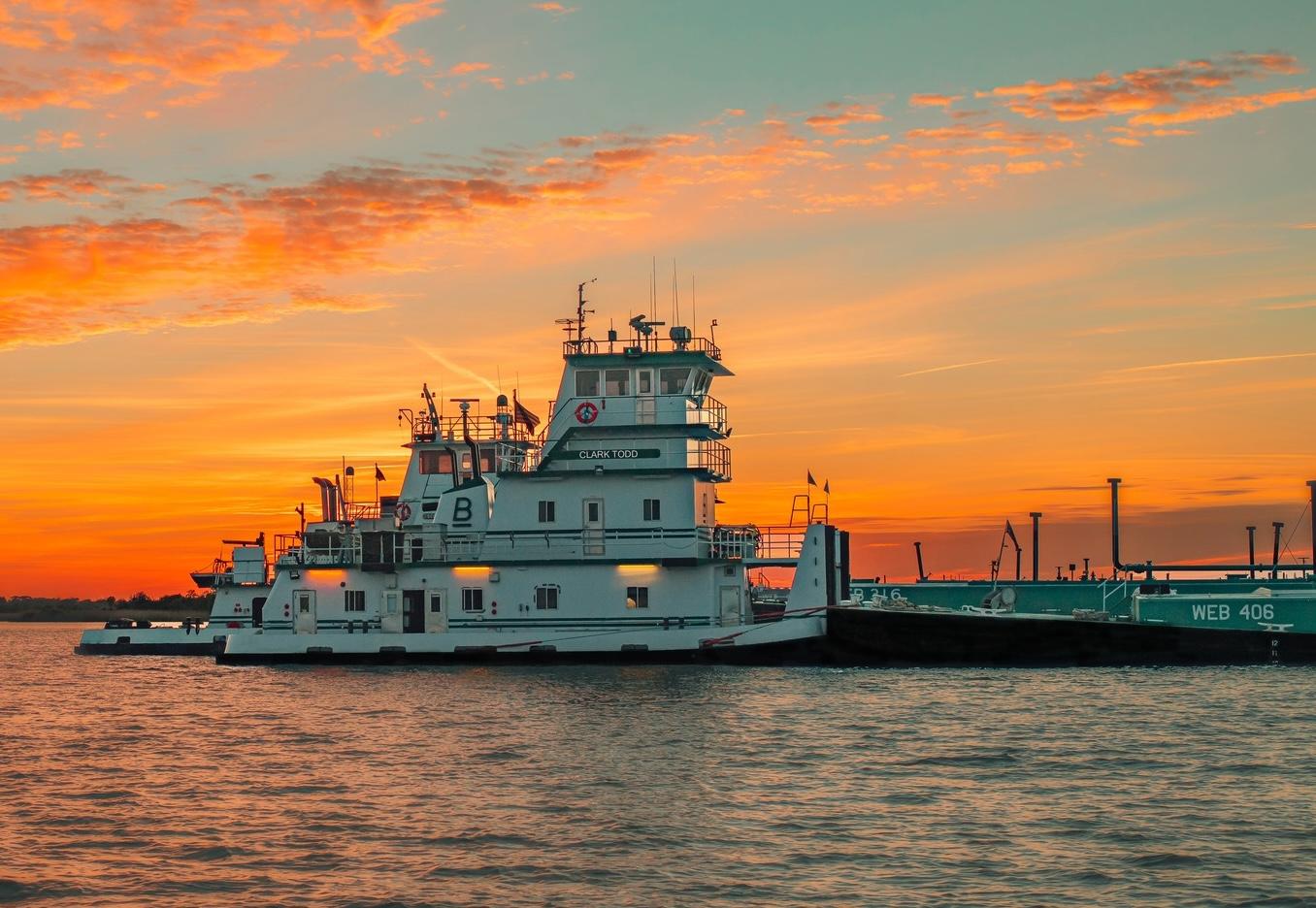
Efficiency in Bulk Transport
Towboats are incredibly efficient for transporting bulk goods over long distances. A single towboat can move the equivalent of hundreds of trucks' worth of cargo in one trip, making it a cost-effective and environmentally friendly option.
What is a Barge?
A barge is a flat-bottomed, non-motorized vessel designed to carry heavy loads. Barges are often pushed or pulled by towboats and tugboats, and they play a crucial role in transporting bulk cargo along inland and coastal waterways.
Types of Barges:
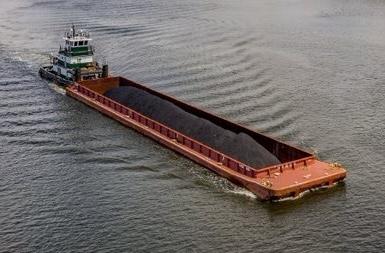
Dry Cargo Barges
These are used to transport bulk materials like coal, grain, and aggregates. They are the most common type of barge on inland waterways.
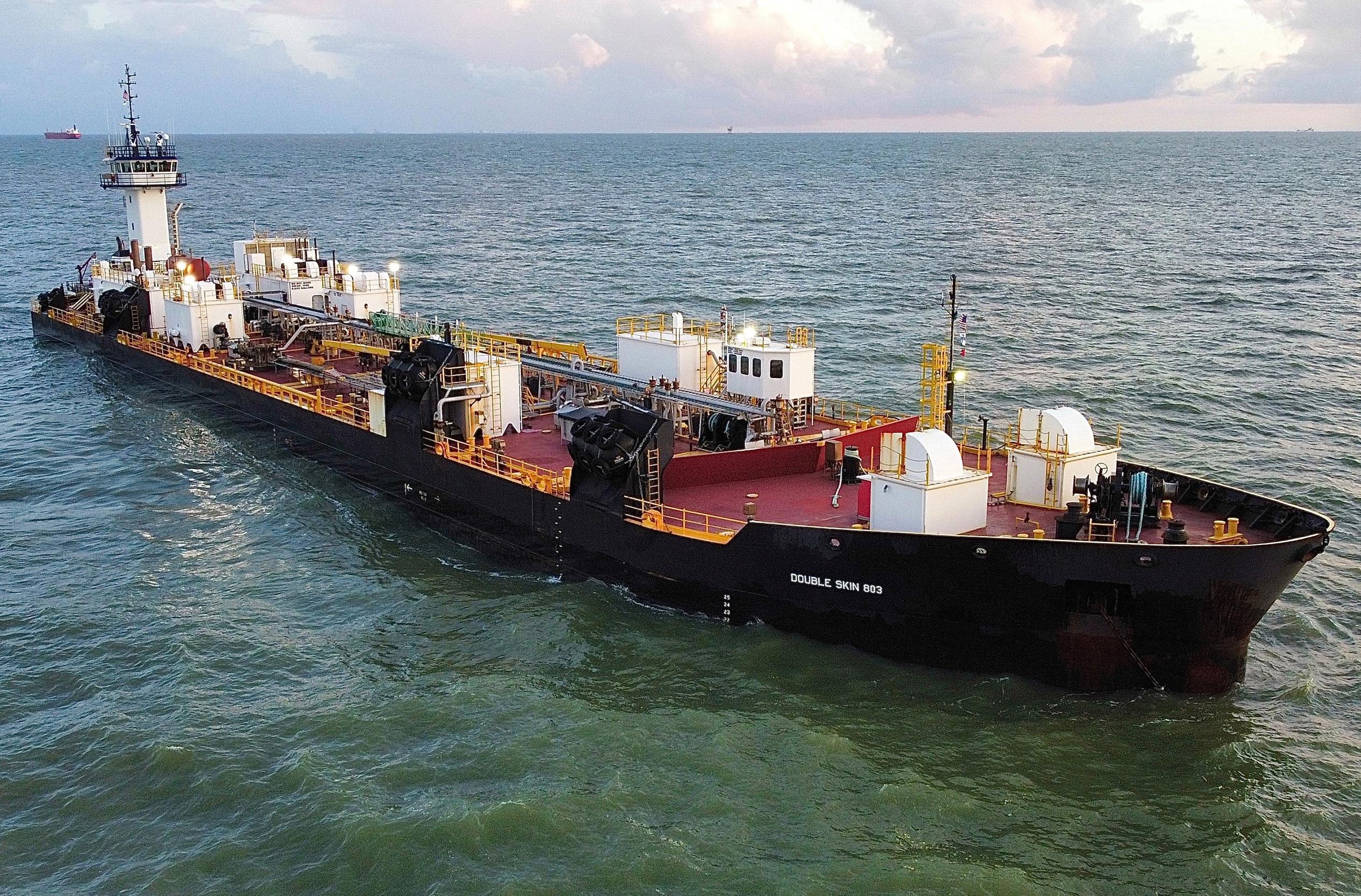
Liquid Cargo Barges
Designed to carry liquids such as petroleum products, chemicals, and other hazardous materials, these barges are critical to the energy sector.
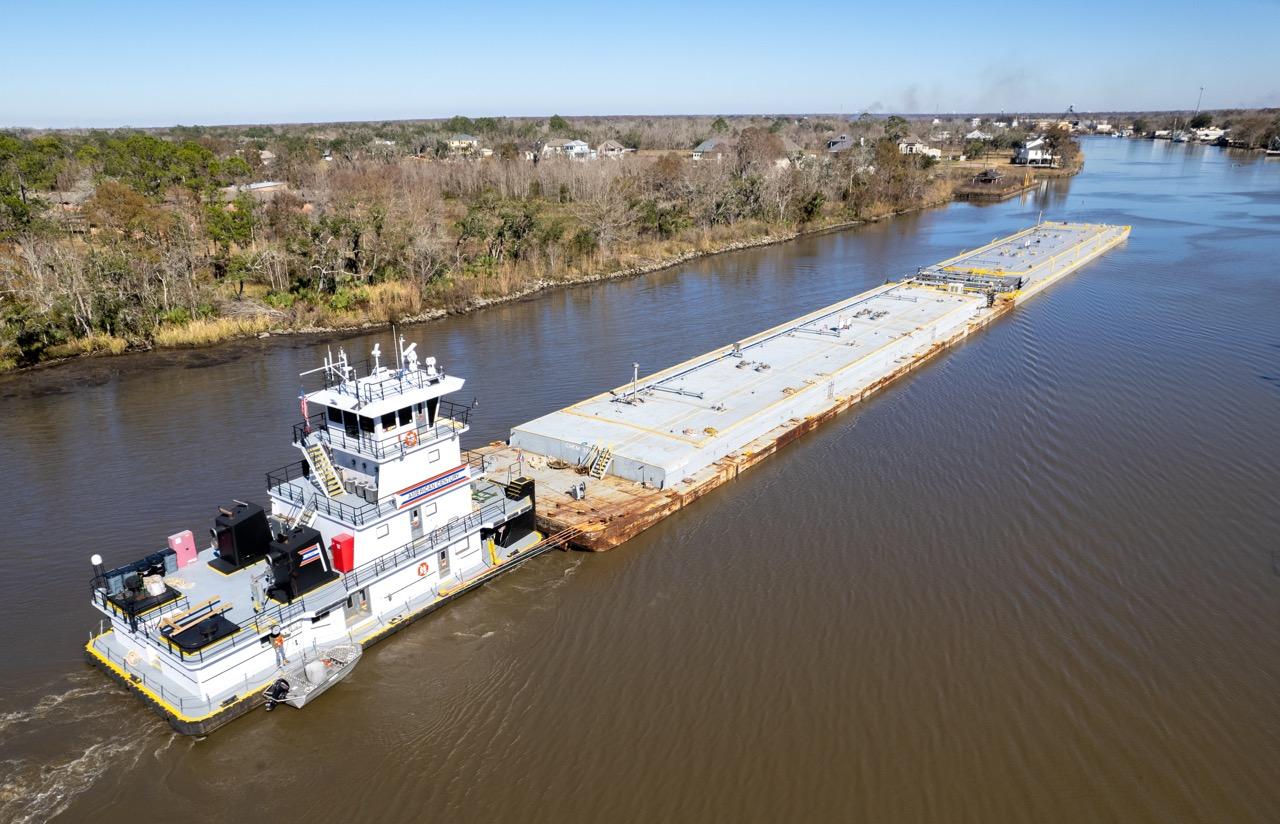
Deck Barges
These barges are equipped with a flat deck, allowing them to carry large, heavy equipment, construction materials, or even other vessels.
Hopper Barges
Hopper barges have an open-top design and are used to transport loose bulk commodities. They are often used in dredging operations or for transporting grain.
The Importance of Tugboats, Towboats,
and Barges for America’s Waterways
Tugboats, towboats, and barges are vital to America’s economy, supply chain, environment, and national security.
Economy:
|
Safety & Environment:
|
Security
|
Industry Impact
-
$30+ billion
contributed to U.S. GDP annually
-
270,000+
jobs supported
-
1 barge
16 rail cars or 70 trucks