The Responsible Carrier Program is the gold standard for safety in the commercial maritime industry. Built by the industry and trusted by the U.S. Coast Guard, the RCP helps companies operate safely, protect their crews, and reduce risk on the water.
Compliance with the RCP is a condition for AWO carrier membership, meaning that every member must adhere to and participate in the RCP or an equivalent safety management system.
What Does the RCP Do?
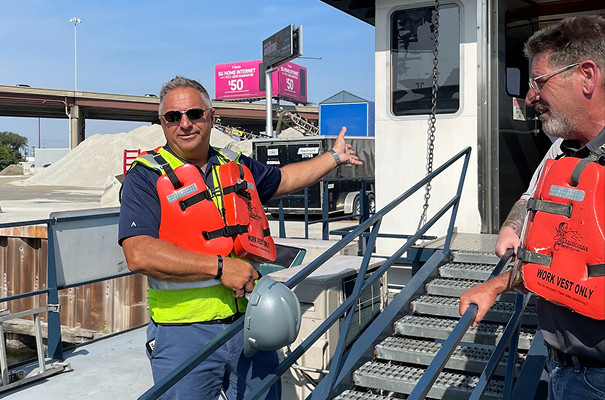
The RCP focuses on three main "safety pillars":
- Smart Management: Companies must have clear plans for how to handle emergencies and keep their vessels running safely.
- Top-Notch Equipment: It sets high standards for vessel parts and equipment to make sure nothing breaks when it’s needed most.
- Well-Trained People: It ensures that every crew member knows exactly how to do their job safely and what to do if something goes wrong.
How It Works with the Law
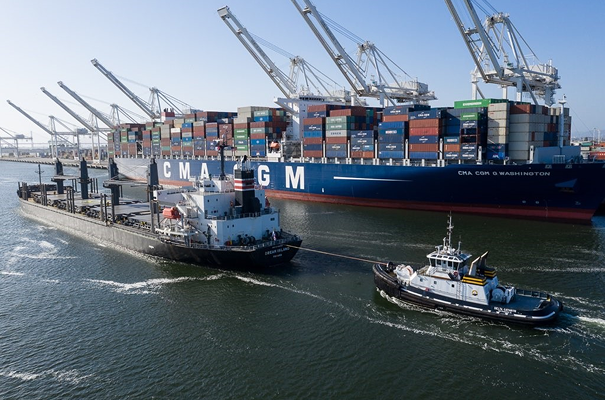
Subchapter M is a set of U.S. Coast Guard regulations that says every towing vessel and operating company must be inspected by the Coast Guard or by a Coast Guard-approved Third-Party Organization Because of the RCP’s high standards, the Coast Guard formally accepts it as a Safety Management System that meets all requirements of Subchapter M.
Getting Checked: The Role of TPOs
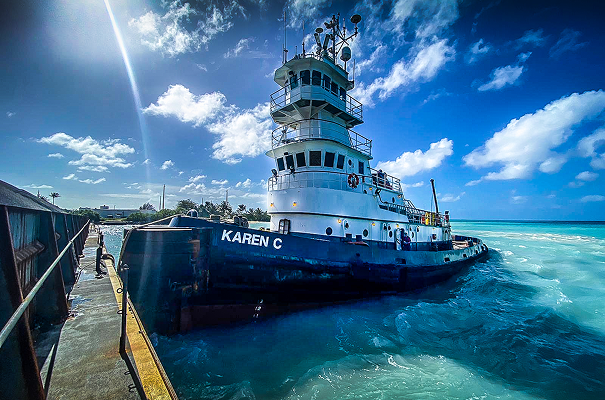
To make sure companies are following the RCP, the U.S. Coast Guard approves Third-Party Organizations (TPOs) to conduct safety audits. TPOs are independent safety experts trained and approved by the Coast Guard to visit vessels and marine towing company offices and ensure that every Subchapter M requirement is being followed.
Are You an AWO Member?
Make sure your company is using the most up-to-date safety standards.